
The short answer
Spend day one in Midtown, day two between Central Park and the Upper West Side, and day three in Lower Manhattan. Keep one indoor alternative in each area and book no more than two fixed-time experiences per day.
Practical planning
Before you book the three days
This itinerary is designed for a first winter visit, not for collecting the maximum number of attractions. New York days become tiring when every hour requires a subway transfer, a security queue or a long walk in cold wind. The route keeps each day geographically coherent and protects the brightest hours for outdoor sights.
Choose the exact order after checking the short-term forecast. Give the clearest afternoon to your preferred observatory, move a museum into the wettest period and keep arrival day lighter if snow or flight disruption is possible. In December, reserve seasonal shows and skating earlier than free lights and public spaces.
Midtown · approximately 5–7 km on foot
Day 1: Midtown icons and Christmas lights
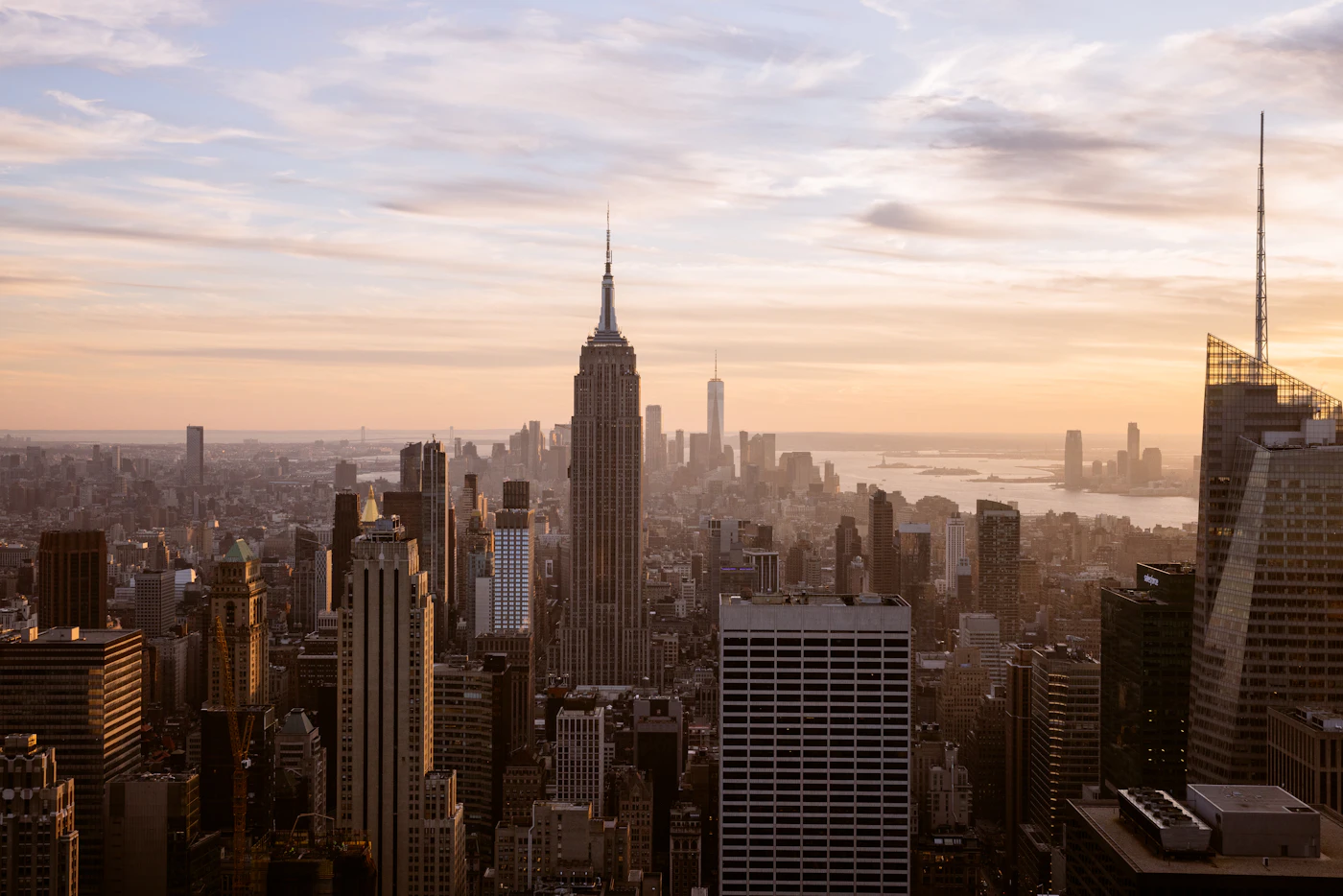
Start around Grand Central Terminal and the New York Public Library. Both provide warm indoor pauses and place you near Bryant Park without an unnecessary subway journey. Continue towards Fifth Avenue and choose either MoMA or SUMMIT One Vanderbilt as the principal paid attraction—not both unless museums and observation decks are your main priority.
Use late afternoon for Rockefeller Center, Radio City and the decorated Fifth Avenue storefronts. Darkness arrives early in winter, so the lights become effective before dinner. During the main Christmas weeks, the pavements around the tree can become extremely dense; approach with time and avoid crossing Midtown for a reservation immediately afterwards.
For a booked evening, choose the Rockettes, The Nutcracker or another performance. Otherwise, keep the route flexible and finish with dinner near your final stop. A hotel in Midtown makes this day particularly efficient.
- Indoor backup: MoMA or Grand Central
- Best fixed booking: one observatory or one evening show
- Free highlights: Fifth Avenue, Rockefeller Plaza and Bryant Park
- Winter risk: wind and dense evening crowds
Central Park · flexible distance
Day 2: Central Park and the Upper West Side
Begin after breakfast when there is enough daylight to enjoy Central Park. A first-time route can connect the southeastern entrances, The Mall, Bethesda Terrace and Bow Bridge before continuing west. Conditions matter: snow, ice and maintenance can affect paths, and some park restrooms close in winter. Check current alerts rather than assuming every facility is available.
Move indoors at the American Museum of Natural History or choose a shorter park walk followed by Lincoln Center. Families should make the museum or park the main event, not force both into a rushed half-day. An early dinner on the Upper West Side reduces the need to return to crowded Midtown at the busiest hour.
If your trip includes The Nutcracker, this is the natural performance day. If weather is poor, reverse the rhythm: museum first, then a short park walk during the clearest period.
- Check Central Park alerts and winter restroom availability
- Keep the park route shorter with children
- Natural evening pairing: Lincoln Center
- Snow-day alternative: a focused museum visit
Downtown · compact sights, emotionally varied day
Day 3: Lower Manhattan and the harbour
Travel to the World Trade Center area and give the 9/11 Memorial sufficient time. Do not treat it as a quick photo stop between entertainment bookings. One World Observatory is the most weather-protected observation-deck option in this itinerary and offers a different perspective across the harbour, rivers and Brooklyn.
Walk through the Oculus, then continue towards Wall Street and Battery Park if conditions are comfortable. Wind near the water can feel much colder than Midtown. When the forecast is poor, use the covered World Trade Center connections and shorten the outdoor harbour section.
Finish in Lower Manhattan or cross to Brooklyn only if energy and weather allow. Adding Dyker Heights on this evening creates a long travel day; give that light display its own evening on a four- or five-day trip.
- Main indoor anchor: One World Observatory
- Allow unhurried time for the 9/11 Memorial
- Harbour walks are highly exposed to wind
- Avoid adding Dyker Heights to an already full downtown day
Practical planning
How to adapt the itinerary
With children, remove one paid attraction and build in a hotel break before the evening. On a budget, replace observation decks with public skyline views and focus on neighbourhood walks. During January or February, substitute Christmas-specific stops with museums, restaurants and year-round attractions while keeping the same neighbourhood structure.
The itinerary should bend when weather changes. What should remain fixed is the geographic logic: Midtown together, Central Park with the Upper West Side, and Lower Manhattan as its own day.
Frequently asked questions
Questions travellers ask before booking
Is three days enough for New York in winter?+
Three days is enough for a strong first impression if you group sights by neighbourhood. It is not enough to see every major museum, borough and seasonal event.
How many timed tickets should I book per day?+
One or two is usually the practical maximum. Leave travel, meals, security and weather buffers between them.
Where does Dyker Heights fit?+
Give Dyker Heights a separate evening on day two only if you shorten Central Park, or add it on a fourth day.
What if snow is forecast?+
Keep the schedule flexible, follow official travel warnings and move your strongest indoor option into the storm period.
Official sources and freshness
We use official operator and city sources for details that can change. Seasonal dates, opening times, ticket conditions and weather policies must be rechecked before travel.
Central Park Conservancy — plan a visit Central Park Conservancy — winter guide One World Observatory — plan your visit
